Weather
 |
 |
 |
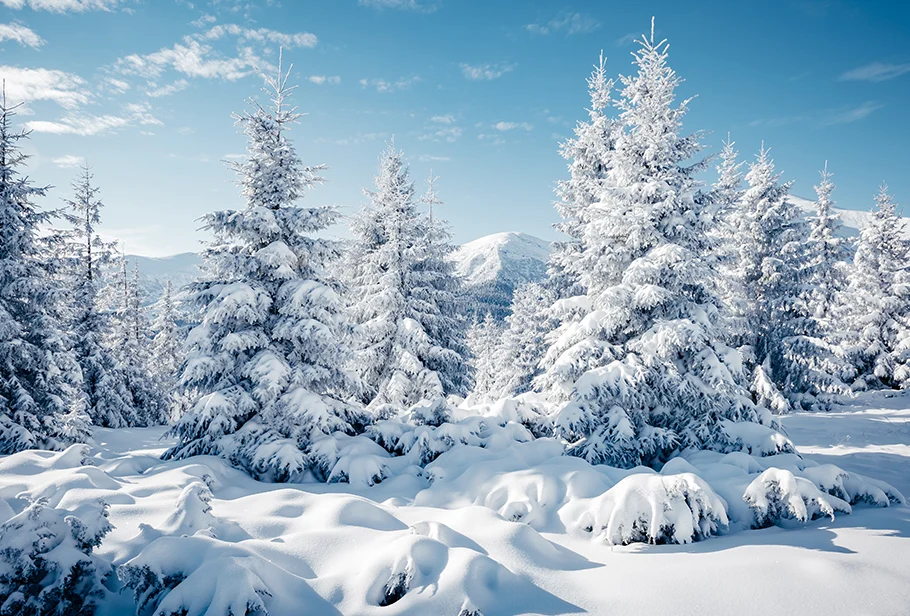 |
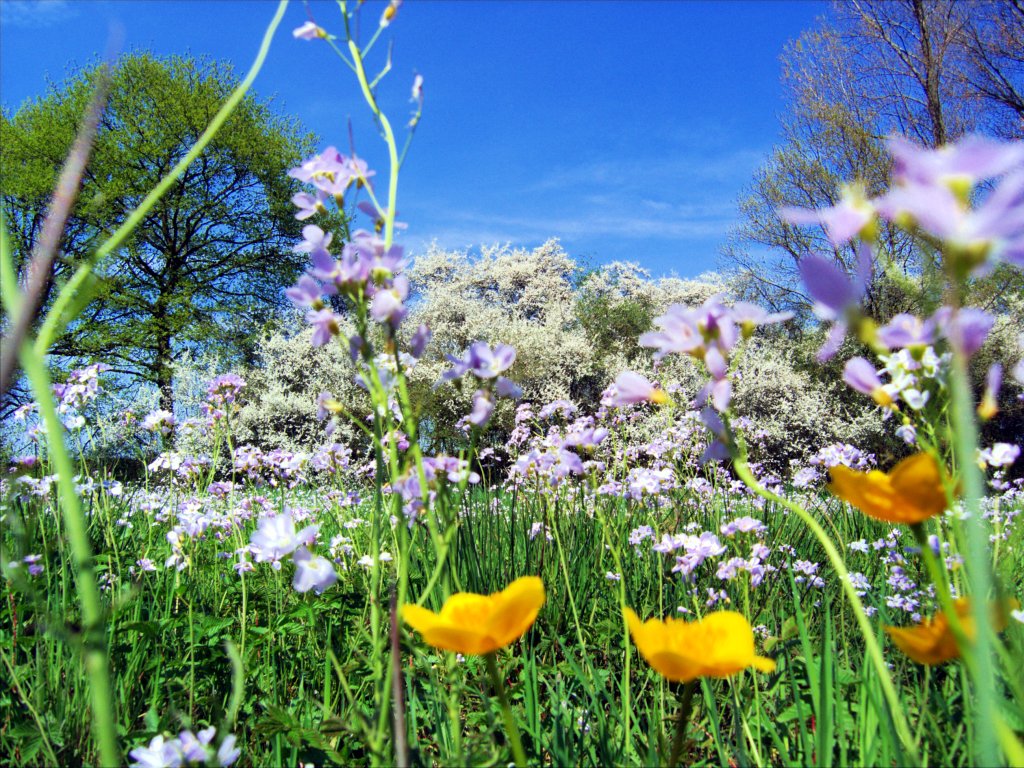
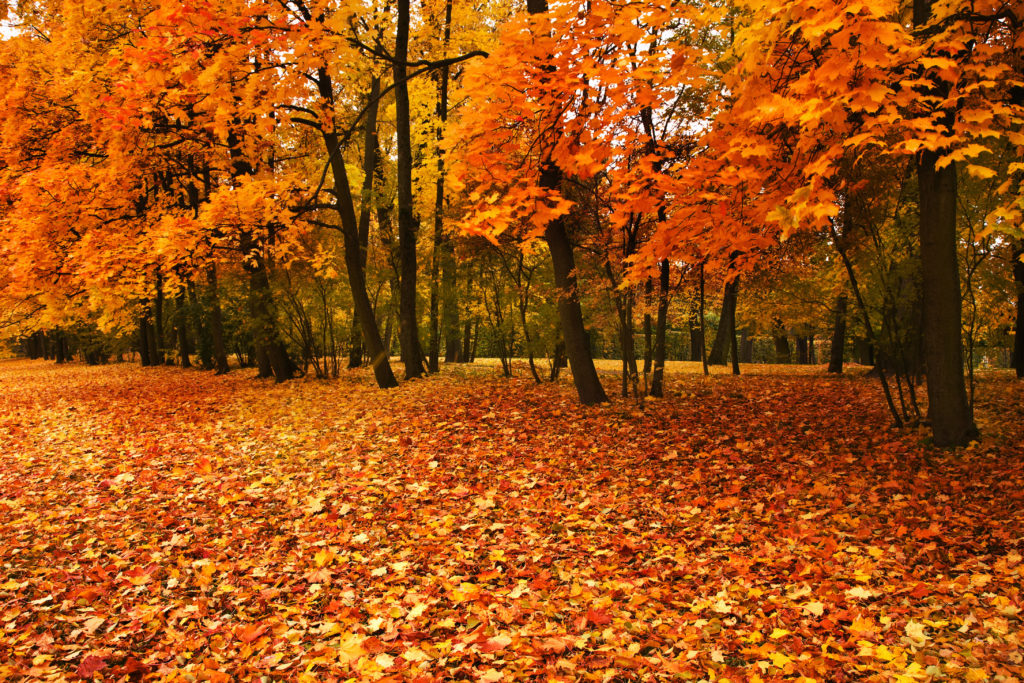
The changes of the seasons affect animals, plants, and people, influencing daily life and the natural environment. For example, trees lose their leaves in autumn and bloom again in spring, while bears hibernate during winter to conserve energy. Birds migrate to warmer places when the cold arrives, and people adjust their clothing and activities according to the season. These changes can easily be studied at school or even online, allowing children to observe how the weather, plants, and animals interact with human life throughout the year, fostering understanding and curiosity about nature.
Each season has its own characteristics that impact our activities and environment. Spring represents renewal and growth, with blooming flowers, new leaves, and mild temperatures. Summer brings heat, long days, and opportunities for outdoor activities and vacations. Autumn is known for colorful leaves, cooler temperatures, and the harvest of crops, while winter brings cold, snow, and special celebrations. These changes affect the clothes we wear, daily habits, and social plans. Additionally, the seasons inspire art, literature, and cultural festivities, helping people connect with nature and organize their routines harmoniously throughout the year.
|
|
|
|